⛽
Aims to Improve Fuel Economy
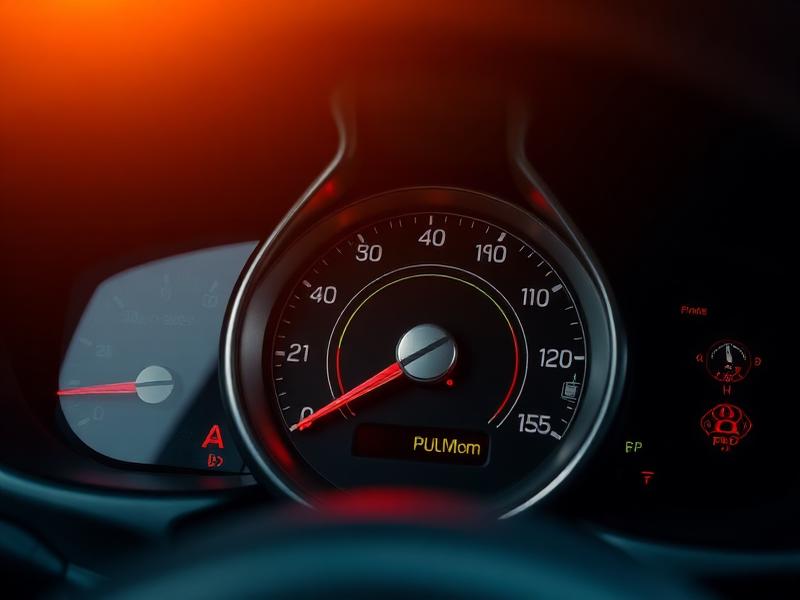
The OBD Fuel Saver reads live engine data through your car's OBD2 port and is marketed to help optimise driving efficiency, so you may squeeze more miles out of every tank.
🔥 LIMITED-TIME OFFER — OBD Fuel Saver at today's discounted price
🔴 Buy NowWe looked at how the OBD Fuel Saver works, what drivers actually report, and whether it's worth plugging into your OBD2 port. Here's the full breakdown before you buy.
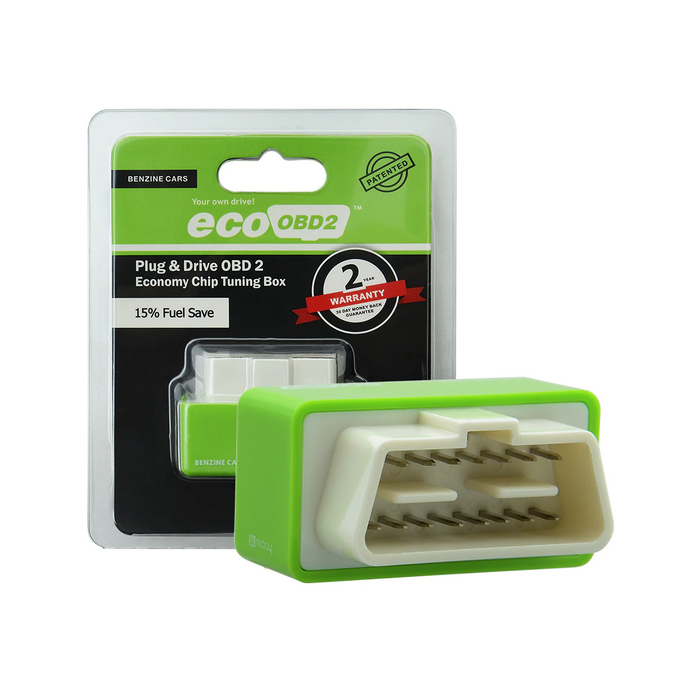
The OBD Fuel Saver reads live engine data through your car's OBD2 port and is marketed to help optimise driving efficiency, so you may squeeze more miles out of every tank.
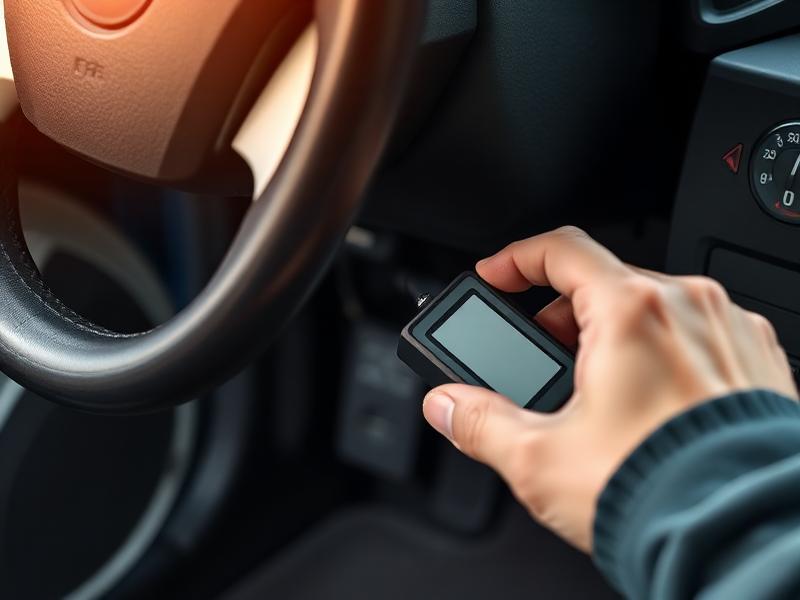
No tools, no wiring, no mechanic. Locate the OBD2 port under the dashboard, push the device in, and it powers up automatically with the ignition.
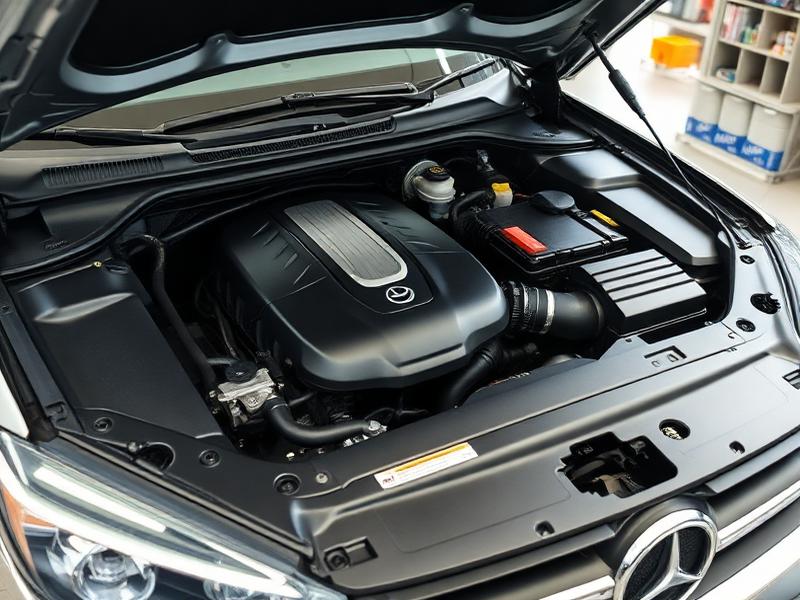
OBD devices can surface trouble codes and engine data that help you spot inefficiencies — a dirty sensor or misfire is one of the biggest causes of wasted fuel.

Almost every petrol car built after 1996 and diesel after 2004 has a standard OBD2 port, so the unit fits the majority of vehicles on the road today.
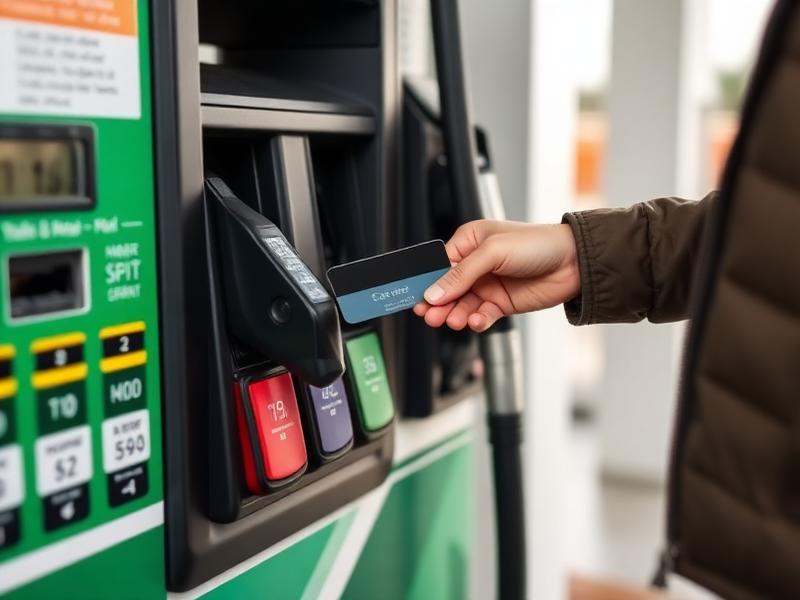
The whole pitch is simple: fewer stops at the pump. Users who combine it with smoother driving habits report the most noticeable savings.
The unit is small enough to stay plugged in permanently without getting in the way of your pedals, knees or steering column.
Independent review · Approx. 6 min read
Fuel prices have made "fuel saver" gadgets one of the most searched car accessories online, and the OBD Fuel Saver is one of the most talked-about of them. It's a small plug-in module that connects to the OBD2 diagnostic port found in nearly every modern car. The promise is straightforward: plug it in, drive normally, and get more distance from each tank. In this OBD Fuel Saver review we explain what the device actually does, what to realistically expect, and who it makes sense for.
The OBD Fuel Saver is a compact OBD2 dongle roughly the size of a matchbox. The OBD2 port — standard on petrol cars since 1996 and most diesels since 2004 — gives access to the engine control unit (ECU), the computer that manages fuel delivery, ignition timing and emissions. Mechanics use the same port for diagnostics. The device draws power from the port itself, so there is no battery to charge and no wiring to run.
Devices in this category read live parameters from the ECU — engine load, throttle position, RPM, coolant temperature, short and long-term fuel trims — and are marketed as helping the vehicle settle into a more efficient operating pattern over a few hundred miles of driving. In practice, the most reliable savings from any OBD tool come from the information it exposes: spotting a lazy oxygen sensor, a misfire, an over-rich fuel trim or an under-inflated-tyre driving style is what genuinely reduces consumption. Treat the device as an efficiency aid alongside good maintenance, not a magic chip that rewrites your engine map.
Feedback is mixed but generally follows a pattern. Drivers who already have smooth habits and a well-maintained car report small improvements — often in the single-digit percentage range — that only become visible after several tanks of careful tracking. Drivers with older, poorly serviced vehicles tend to notice more, largely because the diagnostics push them to fix something that was wasting fuel. Those expecting a dramatic overnight jump in MPG are usually disappointed. The most consistent praise is for how effortless it is: it installs in seconds and requires zero maintenance.
Combine the device with the fundamentals: keep tyres at the correct pressure, remove unnecessary weight from the boot, service the air filter and spark plugs on schedule, avoid heavy acceleration and long idling, and use cruise control on the motorway. Track your consumption over at least three full tanks before judging the results — single-tank comparisons are far too noisy to be meaningful.
The OBD2 port is a standard diagnostic interface and passive devices plugged into it are widely used, including insurance telematics dongles. If you ever see a warning light, unusual behaviour or battery drain after long periods parked, simply unplug the device — everything returns to normal instantly.
The OBD Fuel Saver is sold online, and the manufacturer regularly runs multi-unit bundle discounts along with a money-back guarantee window. Buying through the official offer page is the safest route — it protects the return policy and avoids the many low-quality clones circulating on marketplaces.
The OBD Fuel Saver is a cheap, low-risk gadget that is easy to install and hard to get wrong. It is not going to transform a thirsty engine into a hybrid, and anyone promising 40% savings is overselling it. But as an inexpensive nudge toward more efficient driving — backed by a guarantee and a limited-time discount — it's a reasonable buy for drivers who spend a lot at the pump and want an easy first step before spending money at a garage.
Ready to try it on your own car?
⭐⭐⭐⭐⭐"Easy to install and the LED lights up straight away. My commute mileage looks a bit better than last month."
⭐⭐⭐⭐⭐"I bought it mainly for the diagnostics side. Being able to see engine data without a garage visit is handy."
⭐⭐⭐⭐⭐"Nothing complicated — plugged it into the OBD2 port and forgot about it. No warning lights, no issues."
⭐⭐⭐⭐⭐"Results vary depending on how you drive. Paired with lighter throttle I'm filling up slightly less often."
Grab the OBD Fuel Saver while today's limited-time offer is live.